Mastering Your Taxes in 2027: The Ultimate Calendar Breakdown for Stress-Free Filing
Why Ignoring the Taxes 2027 Calendar Will Cost You
Ever had that sinking feeling when you realize a tax deadline just flew past? Yeah, me too. Taxes don’t wait for anyone, especially not in 2027. Missing a date can mean penalties, interest, or worse—an audit nightmare.
This isn’t just about marking dates on a calendar; it’s about owning your financial story and keeping the IRS off your back. What you’ll learn here is how to navigate the 2027 tax year like a pro, with all the crucial dates, insider tips, and a solid mental map.
📌 Quick Summary: The 2027 tax calendar is packed with deadlines that demand laser focus. Knowing your filing dates, payment windows, and extensions can save you from costly mistakes. Staying ahead isn’t optional—it’s survival.

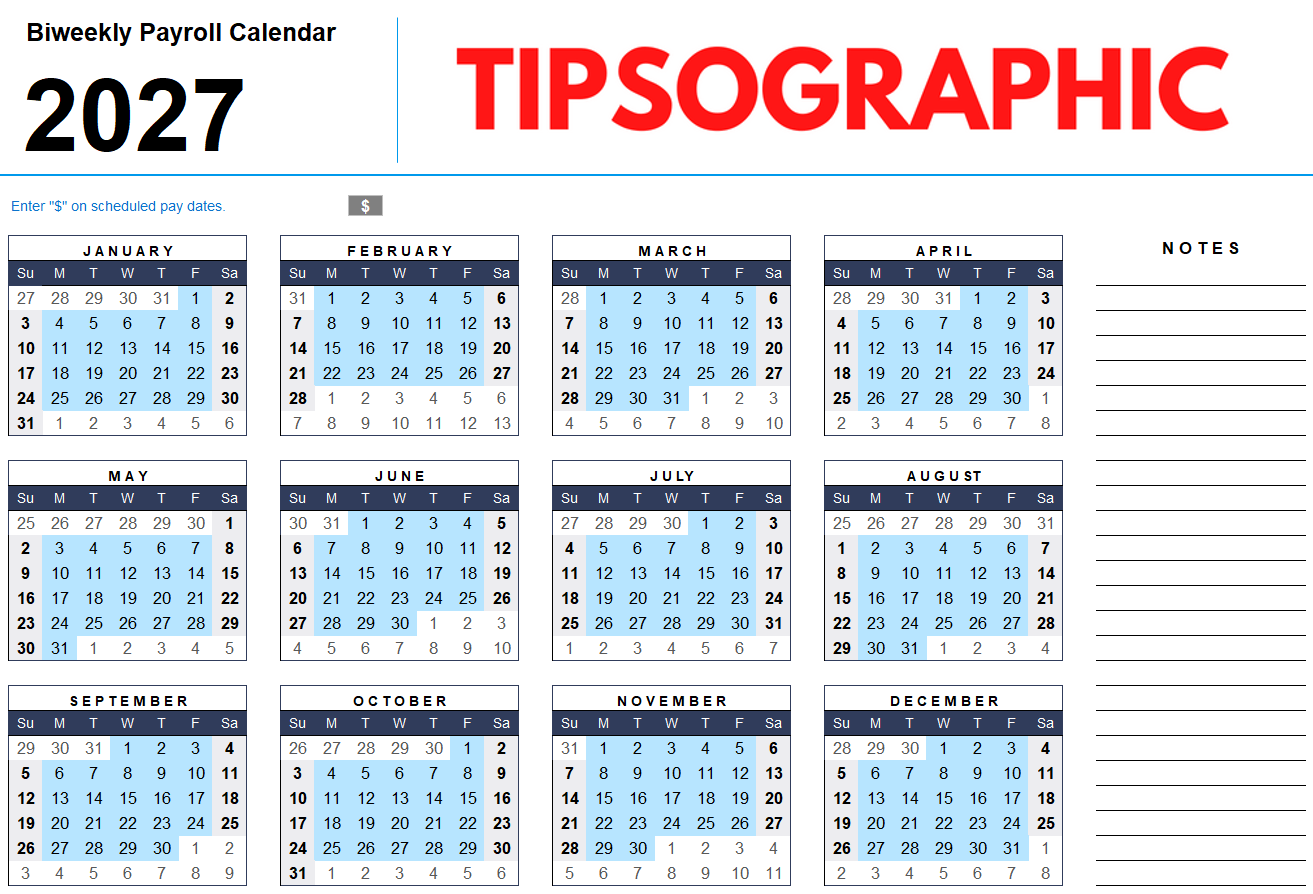
2027 Fiscal Calendar With Week Numbers - Free Printable Calendar
Source: calendar.weloveprintables.net
2027 Tax Deadlines You Absolutely Need to Know
January 15, 2027: Estimated Tax Payments Due
If you’re self-employed or have income without withholding (think rental, freelance gigs), January 15 is your first big checkpoint. Miss it, and Uncle Sam starts charging you interest.
April 15, 2027: Tax Filing Kickoff
April 15 is the classic tax deadline for most folks. Whether you’re submitting Form 1040 or other returns, this date is your deadline unless you file for an extension.
Pro tip: Filing early avoids the last-minute scramble and possible filing system slowdowns. In my experience, the difference between April 1 and April 14 can be the difference between calm and chaos.
June 15, 2027: Mid-Year Payment Reminder
The IRS gives a grace period for second estimated payments. June 15 is your next must-mark date if you pay quarterly.
October 16, 2027: Extension Deadline
Filed for an extension in April? October 16 is your absolute last call to get everything in, no excuses. Remember, an extension to file is not an extension to pay.
December 31, 2027: Year-End Moves
This date isn’t just about closing the calendar—it's your last shot at tax-saving strategies, like maxing out contributions or harvesting losses.

Key Tips for Navigating the 2027 Tax Calendar Without Losing Your Mind
- Set reminders early: Don’t rely on memory. Use digital calendars with alerts weeks ahead.
- Organize your paperwork monthly: Waiting until April 14 to gather receipts is a recipe for disaster.
- Leverage technology: Tax software now syncs with banks and investment accounts—use these tools to automate data entry.
- Plan estimated taxes like a boss: If you’re freelance or have side income, pre-calculate quarterly payments to dodge penalties.
- Consult a pro sooner, not later: Last year, I saw a client save thousands by catching a missed deduction in January instead of March.

📑 Quick Facts Box: Taxes 2027 Essentials
- April 15 is on a Thursday in 2027—plan your final push accordingly.
- IRS starts accepting electronic filings from late January.
- Estimated taxes are due four times a year: Jan 15, Apr 15, Jun 15, and Sep 15.
- Extensions give you six extra months to file, but payments must be timely.
- Deadlines can shift if they fall on weekends or holidays—always double-check!

How Real-World Experience Shapes Tax Calendar Strategy
Picture this: a small business owner in Austin juggling bookkeeping and client deadlines. In 2026, they missed the June 15 estimated tax payment because a project ran late. The penalty? A few hundred bucks that could have been a marketing budget.
From that mess, they learned to treat tax dates like client meetings—non-negotiable and booked weeks in advance. That’s the kind of practical discipline the 2027 tax calendar demands. It’s not just about compliance; it's about cash flow and peace of mind.
From personal experience, I swear by creating a dedicated tax folder—digital or physical—and updating it monthly. It’s a small habit with huge payoffs when April rolls around.

Frequently Asked Questions
What happens if I miss an estimated tax payment deadline in 2027?
The IRS typically charges interest and penalties on late payments. The longer you wait, the more it stacks. Paying as soon as possible reduces costs.
Can I file my 2027 taxes earlier than April 15?
Absolutely. The IRS usually begins accepting returns in late January. Filing early helps catch errors and speeds up refunds.
Is the October 16 extension deadline the same every year?
Generally, yes. Extensions grant six extra months from the original filing deadline, making October 15 or 16 the final date, depending on weekends or holidays.
Are there special deadlines for certain tax forms in 2027?
Yes. For example, employers must file W-2s by January 31, and certain business returns have March 15 deadlines. Always check specific form instructions.
Taxes might feel like a maze, but with the 2027 calendar in hand and a strategy that respects deadlines, you’re not just surviving—you’re winning. Remember, the IRS isn’t going to cut you slack. Stay sharp, stay organized, and you’ll thank yourself all year long.


