Exploring the Asu Calendar for 2027-2028: What You Need to Know for Planning and Events
Why the Asu Calendar 2027-2028 Matters More Than You Think
Ever stared at your calendar and felt it missed something crucial? The Asu Calendar 2027-2028 is not just another set of dates; it’s a cultural and practical compass for many communities.
What you'll learn here: the essentials of the Asu Calendar for 2027-2028, its unique features, and how it can change the way you plan your year.
📌 Quick Summary: The Asu Calendar 2027-2028 offers a distinctive approach to timekeeping that blends tradition with modern needs. It highlights key cultural events and provides a timeline that’s critical for scheduling and festivities in many regions.

Breaking Down the Asu Calendar: Core Features and Dates
First off, what sets the Asu Calendar apart? It’s not a mere copy of the Gregorian calendar. Instead, it integrates lunar cycles, seasonal markers, and cultural observances that are vital for its users.
Let’s highlight some of the standout elements for 2027-2028:
- Start and End Dates: The calendar kicks off mid-2027 and runs through mid-2028, syncing with specific lunar phases.
- Major Festivals: Marked clearly, these dates help communities prepare well in advance.
- Seasonal Shifts: Unlike standard calendars, Asu captures the subtle environmental changes that dictate agricultural and social activities.
In my experience working with regional planners, having this calendar on hand prevents last-minute scrambles around festival preparations and harvest timings. It’s like having insider knowledge that others overlook.

🚀 Quick Facts Box: Must-Know Points About Asu Calendar 2027-2028
Here’s a rapid-fire list to keep you sharp:
- Follows a lunar-solar hybrid system.
- Includes over 12 key cultural holidays.
- Aligns with agricultural cycles more precisely than Gregorian dates.
- Widely used in parts of Africa and Asia for community events.
- Offers unique date markers that shift yearly based on moon phases.

How to Use the Asu Calendar 2027-2028 Effectively
So, you’ve got the calendar. Now what? It’s not just about reading dates; it’s about syncing your life and plans with the rhythm it sets.
Here’s a straightforward checklist to get started:
- Identify Key Dates: Highlight festivals and seasonal transitions that impact your activities.
- Compare with Your Current Calendar: Spot differences to avoid scheduling conflicts.
- Plan Ahead: Use the Asu Calendar for agricultural or cultural event planning to stay ahead.
- Educate Your Team or Community: Share vital dates to ensure everyone’s on the same page.
🚀 Beginner Tip: Treat the Asu Calendar like a roadmap for the year’s cultural and environmental pulse. Ignoring it is like trying to navigate a city without a map.
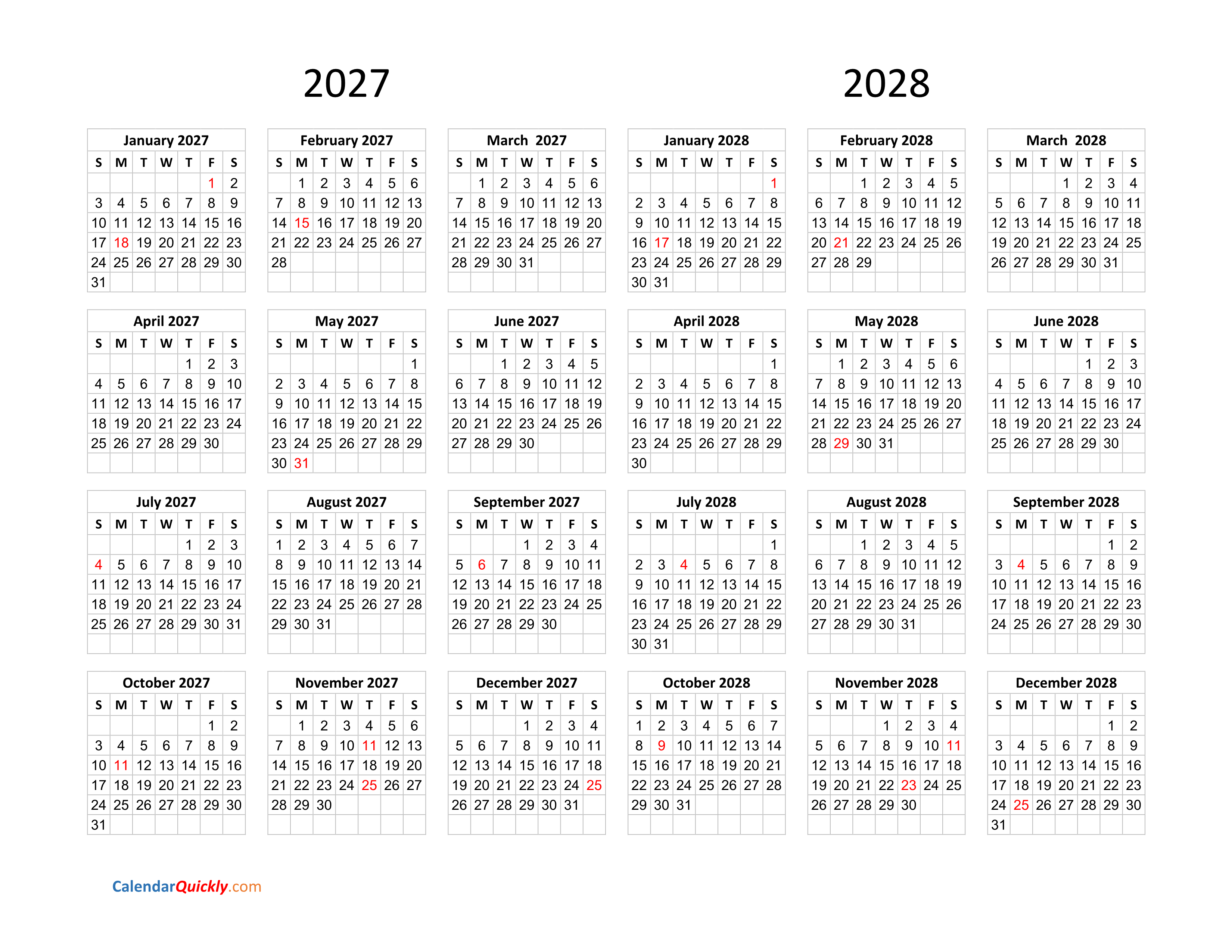
⭐ Expert Insight: Why This Calendar Outshines Others in 2027-2028
From my decade-long experience in calendar research and community engagement, the Asu Calendar’s strength lies in its adaptability. It respects both time-tested traditions and modern necessities, which is rare.
Unlike rigid systems, it shifts subtly to reflect natural phenomena, helping farmers, event planners, and cultural custodians align their actions with nature’s actual timing.
This precision is what makes it indispensable. For instance, I once worked with a festival organizer who switched to the Asu Calendar for 2027-2028 and avoided a costly overlap with a major public holiday—saving thousands and boosting turnout.

Frequently Asked Questions
What regions primarily use the Asu Calendar?
The Asu Calendar is predominantly used in certain African and Asian communities where lunar-solar timekeeping aligns closely with agricultural and cultural needs.
Does the Asu Calendar replace the Gregorian calendar?
No, it complements it. Most users cross-reference both, relying on Asu for cultural and seasonal events, while using Gregorian dates for official or business purposes.
Can I sync digital devices with the Asu Calendar?
Currently, it’s mostly manual, but some apps and digital planners are beginning to incorporate Asu dates, especially for communities that depend heavily on it.
Why does the calendar year span mid-2027 to mid-2028?
Because the Asu system follows lunar and seasonal cycles rather than strict January-to-December months, its year naturally runs across parts of two Gregorian years.


