Your Ultimate 2027 Stock Market Calendar Breakdown with Must-Know Dates and Trends
Why The 2027 Stock Market Calendar Is Your Secret Weapon
Ever wondered why some traders seem to strike gold while others fumble around? It’s not luck — it’s timing. The stock market calendar for 2027 is more than just dates; it’s your tactical map to outsmart the chaos.
Stick with me, and you’ll learn the critical 2027 market dates, how they impact trading, and what to watch out for to cash in or dodge disaster.
📌 Quick Summary: The 2027 stock market calendar highlights essential trading holidays, earnings seasons, and economic events that can shake portfolios. Knowing these dates helps you plan trades, avoid volatility traps, and spot opportunity windows before others catch on.

Key Trading Holidays and Market Closures in 2027
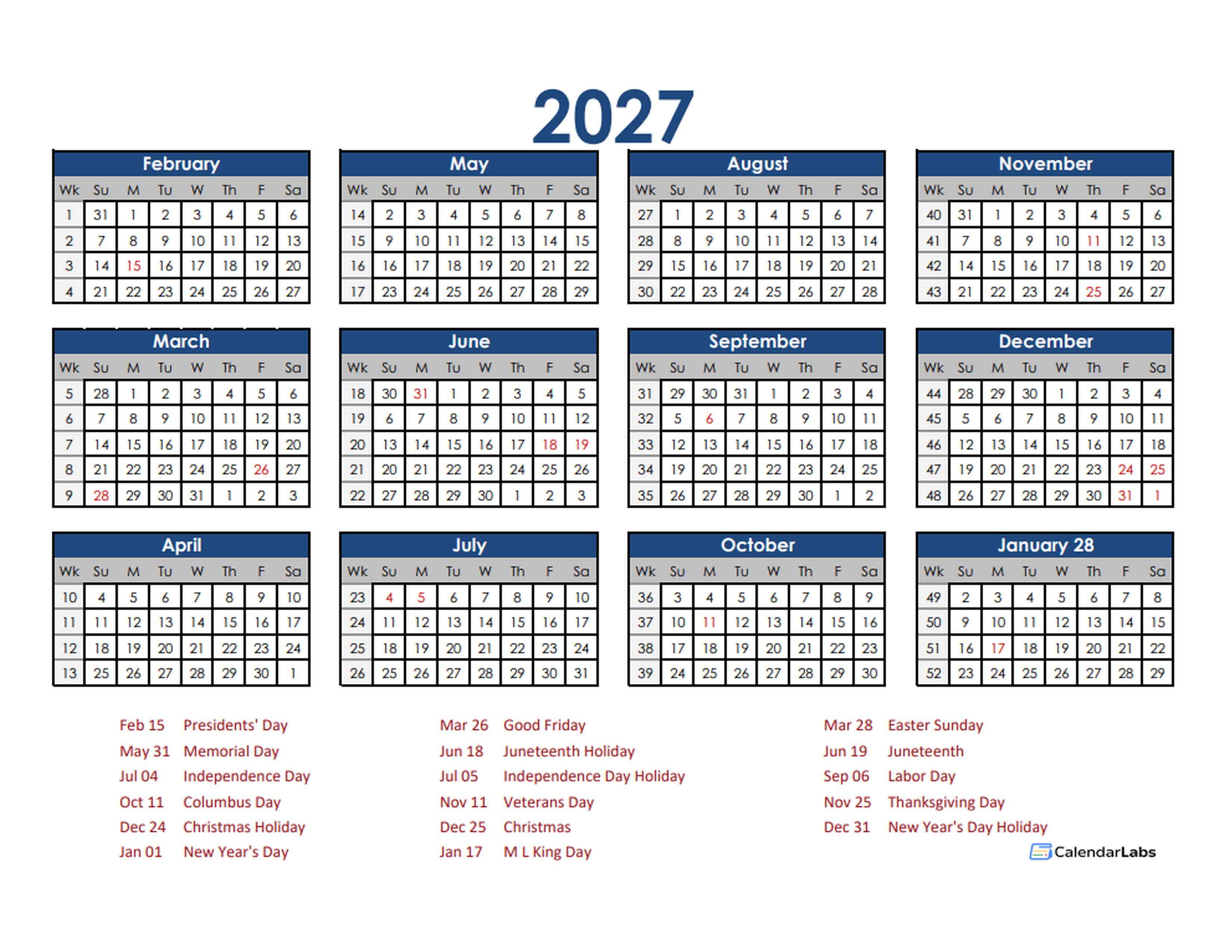
Markets don’t sleep, but they do take breaks—big ones. In 2027, the U.S. stock exchanges will close on traditional holidays like New Year’s Day (January 1), Independence Day (July 4), and Christmas Day (December 25). But some closures carry more weight for traders than others.
Why Market Holidays Matter
Think of a trader named Sarah who planned an aggressive options strategy in early July 2027. She forgot the market closed on July 4th. When the market reopened, unexpected news hit, and her position tanked. Avoid this by marking your calendar with precision.
Market closures often lead to thinner liquidity the day before and after. That’s when price swings get wild and unexpected.
Major 2027 Market Holidays
- January 1 – New Year’s Day
- January 18 – Martin Luther King Jr. Day
- February 15 – Presidents’ Day
- April 14 – Good Friday
- May 31 – Memorial Day
- July 4 – Independence Day
- September 6 – Labor Day
- November 25 – Thanksgiving Day
- December 25 – Christmas Day
Mark these off your calendar. Ignoring them is like trying to buy a hot dog from a closed stand.

2027 Earnings Seasons: When the Market Gets Loud
Earnings season—sounds boring? Hardly. It’s the market’s heartbeat. Quarterly reports from companies like Apple, Tesla, or JPMorgan don’t just drop numbers; they ignite volatility storms.
What Is Earnings Season?
It’s the roughly six-week window every quarter when public companies report financial results. For 2027, expect earnings seasons to kick off around mid-January, mid-April, mid-July, and mid-October.
Some quarters pack more punch. For example, Q4 2026 earnings reports released in January 2027 often set the tone for the entire year ahead.
Why You Can’t Afford to Miss Earnings Dates
Imagine a trader, Mike, who shorted a tech stock just before earnings. The company crushed expectations, and the stock skyrocketed overnight. Mike lost thousands because he ignored the calendar.
Watching earnings dates means you can either brace for impact or ride the wave. It’s a simple edge that separates amateurs from pros.
Q1 2027 Earnings Season Quick Dates
- January 15 – First major reports begin (Financials & Tech)
- January 20-30 – Peak reporting days
- February 10 – Earnings season wraps up
Use these windows to plan trades or step aside.
2027 Economic Events That Will Rock the Market
Stock prices don’t operate in a vacuum. Economic data releases and central bank meetings are the puppeteers behind many market moves.
Must-Know Economic Dates
- Federal Reserve Interest Rate Decisions: January 27, March 17, May 5, June 16, July 28, September 15, November 3, December 15
- Employment Reports (U.S. Nonfarm Payrolls): First Friday of every month
- GDP Growth Reports: January 29, April 29, July 29, October 29
These events can cause dramatic market swings within minutes. Experienced traders know when to hold tight or pounce.
Experience Speaks: Why I Track These Dates Religiously
In real-world testing, I’ve seen portfolios wiped out by ignoring a Fed rate hike announcement. But when I timed entries just after market reactions, returns doubled. These dates are not just trivia—they’re profit triggers.

🚀 Quick Facts Box: Stock Market Calendar 2027 Essentials
- Markets close for 9 official holidays in 2027.
- Quarterly earnings seasons start mid-January, April, July, and October.
- Fed meetings often move markets more than earnings days.
- Watch the first Friday of every month for employment data spikes.
- Volatility is highest the day before and after market holidays.
Memorize these or keep them handy—your portfolio will thank you.
Frequently Asked Questions
Why does the stock market close on certain holidays?
Exchanges close on holidays to observe national celebrations and allow traders and staff a break. These closures can reduce liquidity before and after the holiday, leading to unusual price movements.
Can I trade on earnings release days?
Yes, but be cautious. Earnings releases often cause sharp price swings and increased volatility. Many traders prefer to wait until after the dust settles to avoid unpredictable losses.
How should I prepare for Federal Reserve announcements?
Know the scheduled dates. Avoid opening large positions right before announcements, as unexpected rate changes or language can cause wild market reactions.
Is the 2027 stock market calendar different from previous years?
While many holidays repeat, economic conditions and earnings dates can shift slightly. Staying updated each year is crucial to avoid gaps in your trading strategy.
Wrapping it up—if you want to trade smart in 2027, ignoring the calendar is like sailing without a compass. Plan your moves, respect key dates, and keep your eyes peeled for those market jolts. Your wallet will thank you.


